
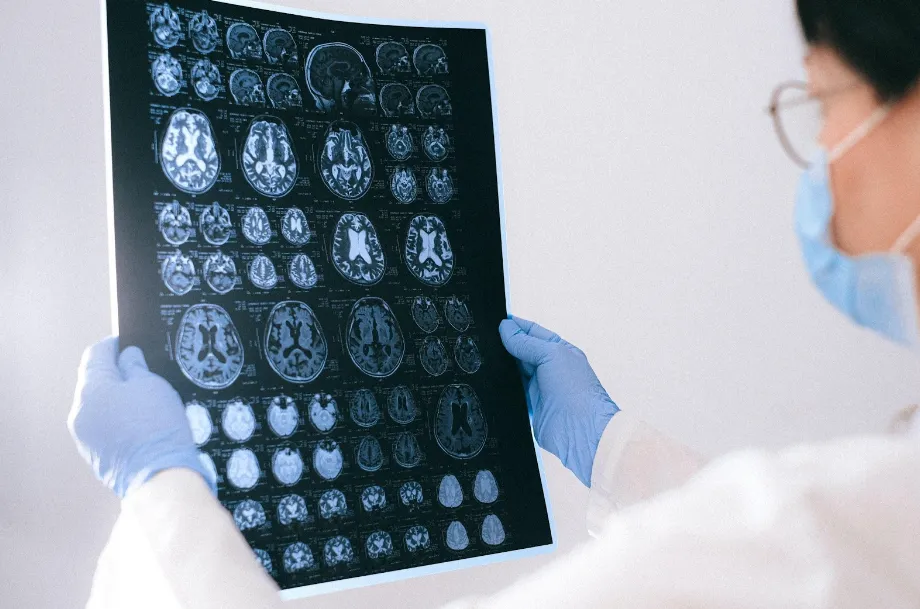
The skull is designed to protect the brain, but when part of it is removed due to injury, surgery, or...

Chronic pain can interfere with every part of life, from work and hobbies to simple daily...
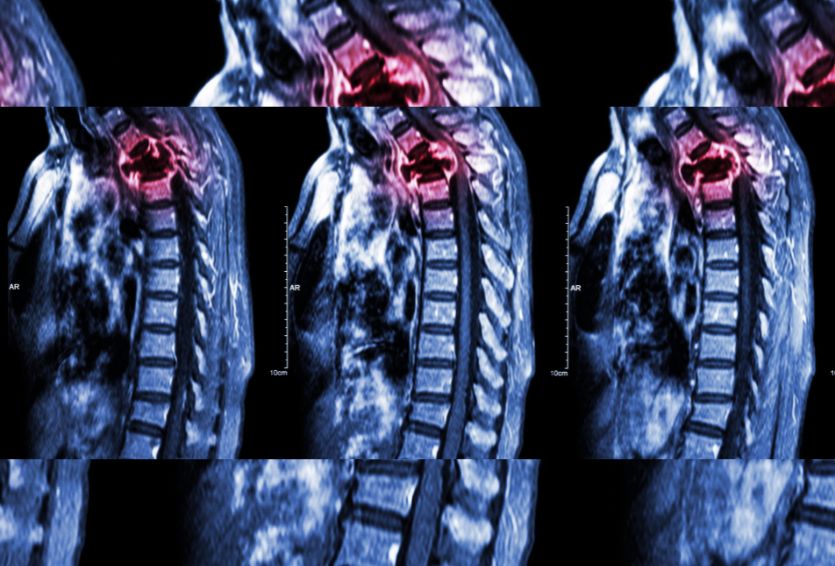
A spinal tumor is an abnormal growth that develops within or near the spinal cord, spinal canal...
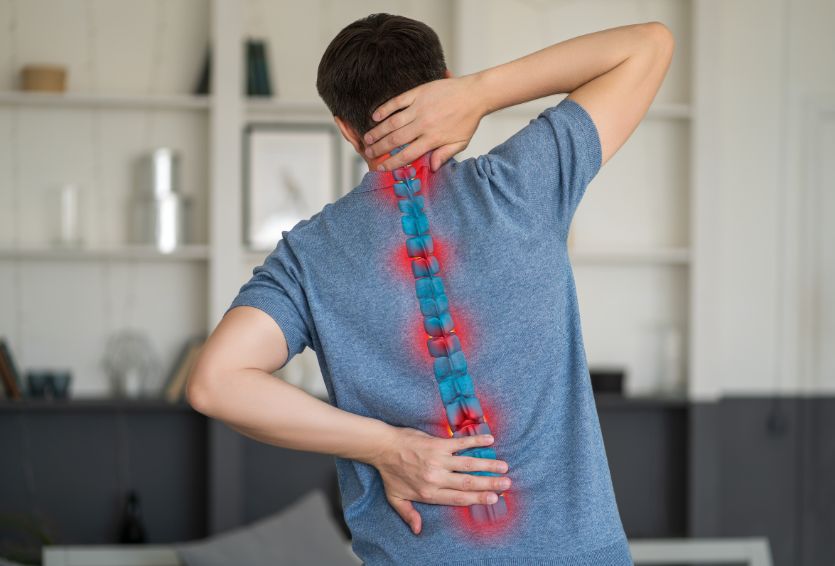
Most patients who undergo spine surgery experience relief from their pain and improved quality...
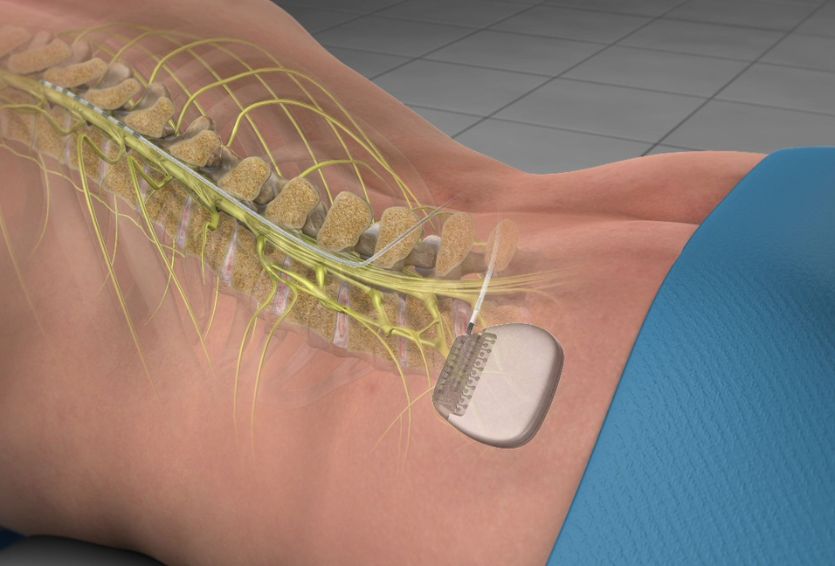
When the spine becomes unstable due to injury, degenerative disease, or surgery to correct...

When back or neck pain interferes with your daily life, spine surgery may become necessary...
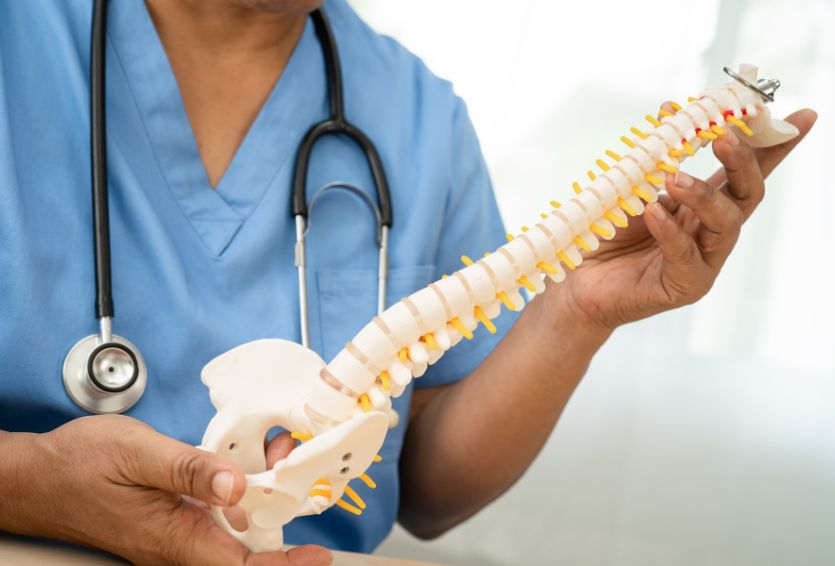
Your spinal cord is the main pathway for communication between your brain and the rest of...

Spinal stenosis—a narrowing of the spaces within your spine—can cause pressure on the...
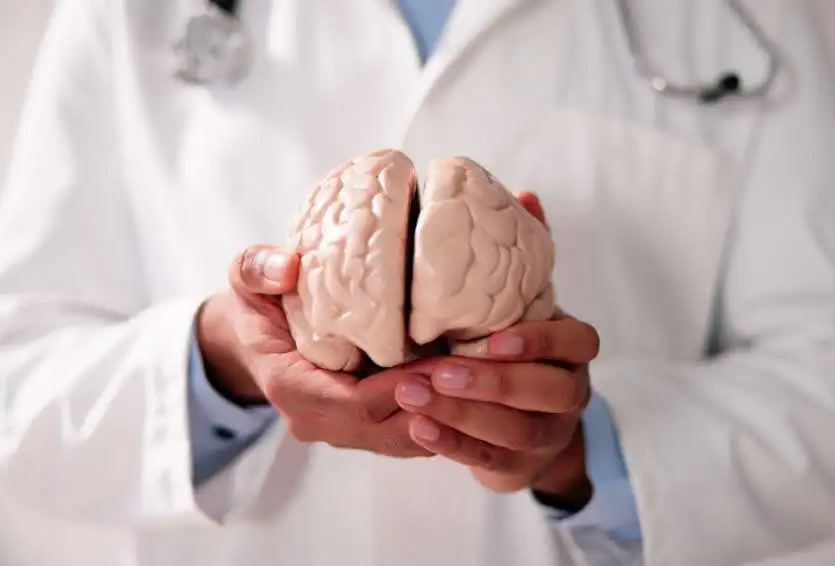
A stroke occurs when blood flow to a part of the brain is interrupted, either by a blockage...
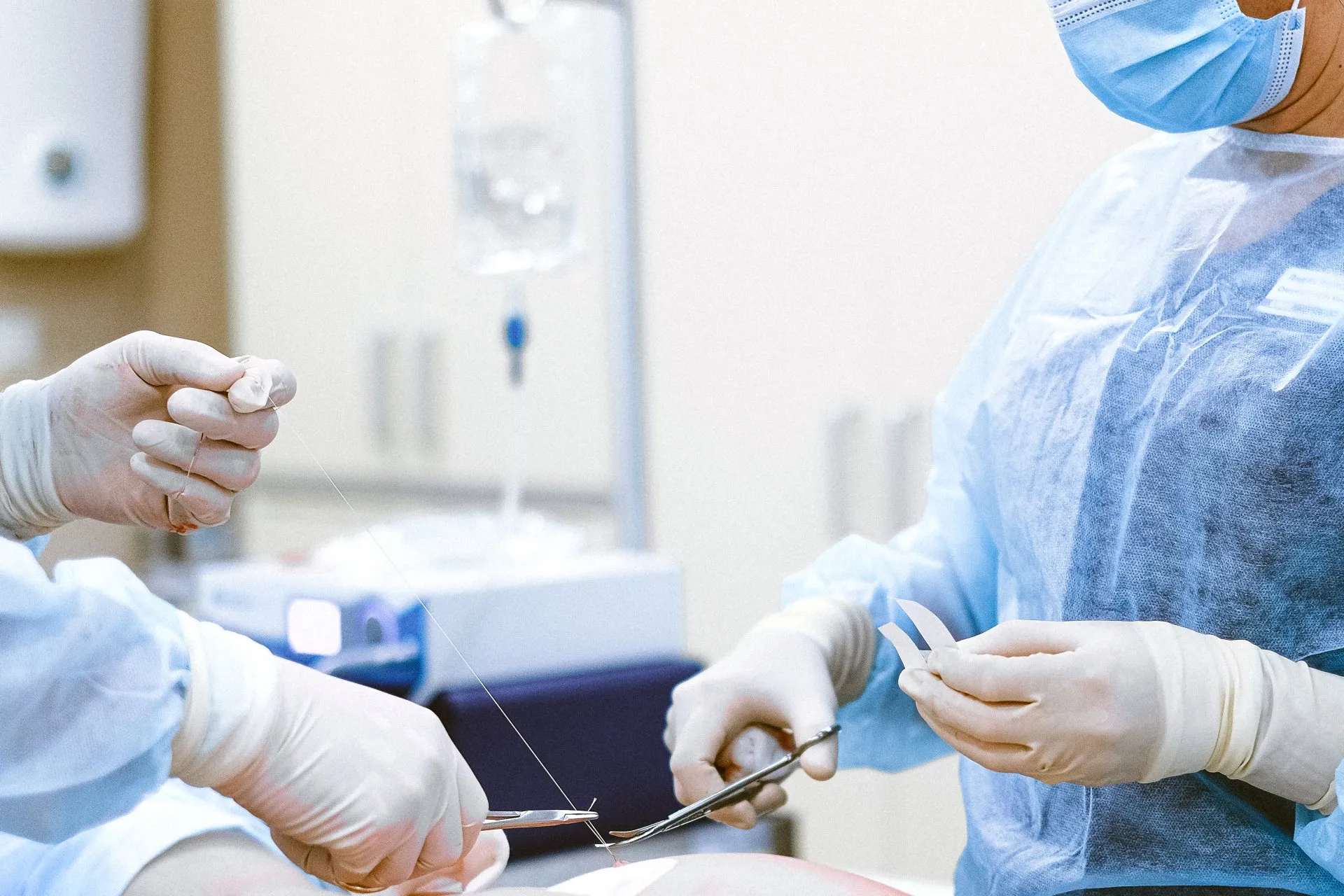
If you’re facing spine surgery, you’ve probably heard about minimally invasive techniques...

Brain tumors can be scary to think about, but catching them early can make a big difference...
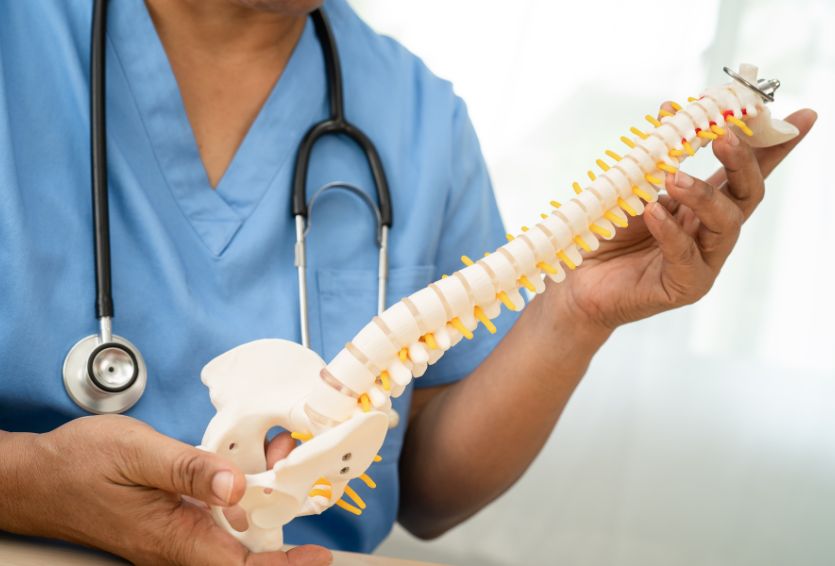
Advances in technology have transformed spine surgery, making procedures safer and more...