
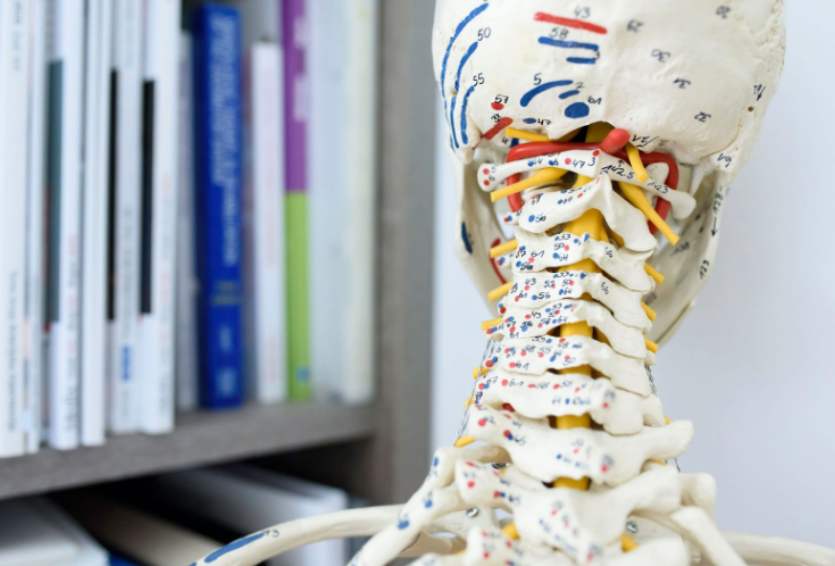
The "skull base" is arguably the most complex piece of real estate in the human body. It is the...

For decades, the "gold standard" for treating severe spinal issues was spinal fusion. The logic...

When a scan reveals a growth or "lesion" in the brain, the next step is often a surgical one....

For most people, the goal of spine surgery is to achieve long-term relief from pain and...

A diagnosis of a brain tumor is life-altering, and hearing that a tumor has returned—or...

The image of brain surgery has traditionally involved large incisions and long recovery times...

The human brain is often described as the most complex "map" in the universe. In...
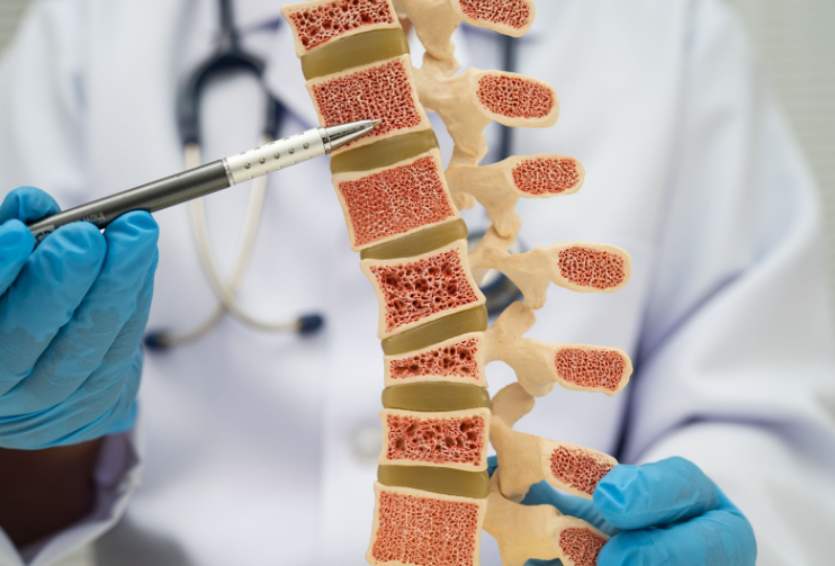
For those suffering from a vertebral compression fracture—often described as a sudden...

Whether caused by a sudden fall, a high-impact car accident, or the gradual thinning of bone...

For decades, the standard approach to brain surgery involved a traditional craniotomy—a...
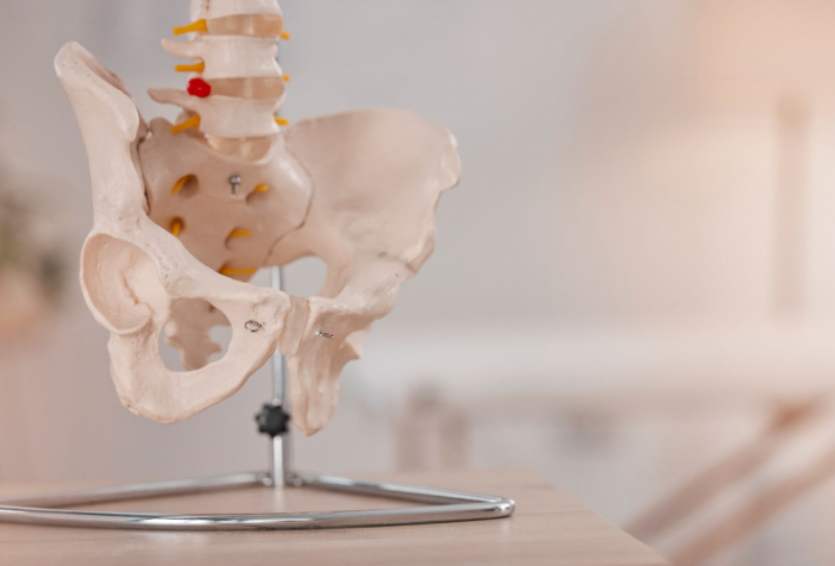
If you’ve been dealing with nagging lower back pain that radiates into your hip or buttock, your...
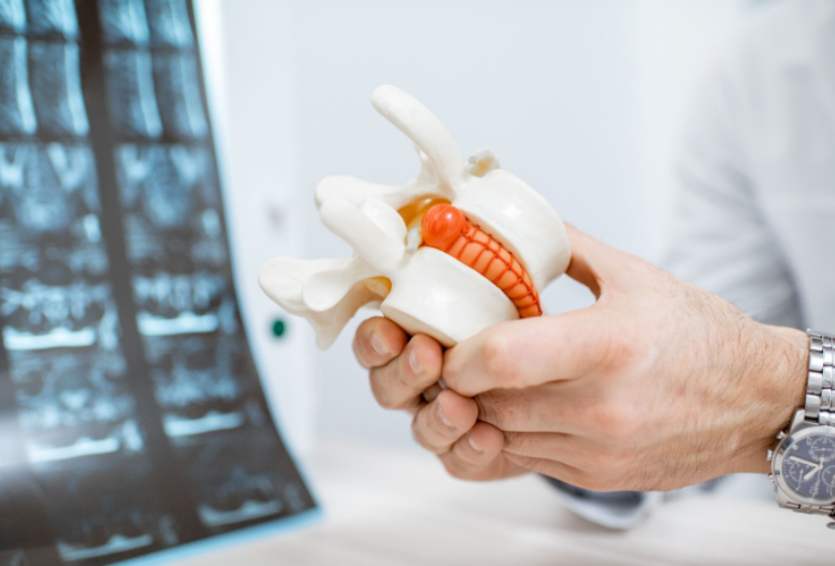
While most people are familiar with the sharp, radiating pain of a herniated disc in the neck or...